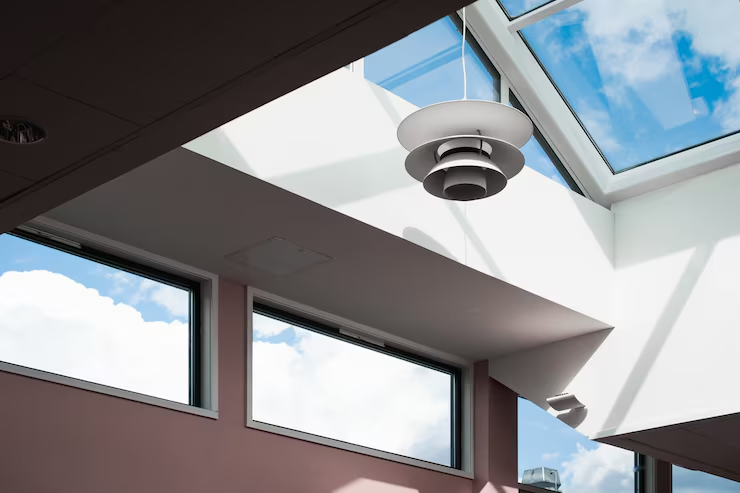
Natural light plays an important role in creating comfortable, attractive, and energy-efficient living and working spaces. In modern architecture, homeowners, designers, and commercial property owners are increasingly looking for ways to maximise daylight without compromising on style or functionality. This is where rooflights roof lanterns have become a popular solution.
Both rooflights and roof lanterns are designed to bring additional daylight into interiors, transforming darker areas into bright and welcoming environments. While traditional windows only allow light from the sides, roof-based glazing solutions capture sunlight from above, creating a stronger connection between indoor spaces and the outdoors.
Whether used in residential extensions, kitchens, living rooms, offices, conservatories, or commercial buildings, rooflights and roof lanterns offer a combination of practicality and visual appeal. They can improve the atmosphere of a room, reduce reliance on artificial lighting, and add value to a property.
This guide explores the differences, benefits, applications, and important considerations when choosing between rooflights roof lanterns for your next project.
What Are Rooflights and Roof Lanterns?
Rooflights and roof lanterns are architectural glazing features installed within a roof structure to allow natural daylight to enter a building. Although they serve a similar purpose, they have different designs, appearances, and applications.
Rooflights are generally flat or slightly curved glazed panels installed directly into the roof. They provide a clean and minimal appearance, making them suitable for modern homes and commercial properties where a simple design is preferred.
Roof lanterns, on the other hand, are raised glazed structures that sit above the roof surface. They usually feature multiple glass panels supported by frames, creating a more decorative architectural feature. Roof lanterns are often chosen for larger spaces where homeowners want to create a statement design element.
Both options provide excellent daylight solutions, but the right choice depends on the building style, available roof space, budget, and desired visual impact.
The Benefits of Installing Rooflights Roof Lanterns
Choosing rooflights roof lanterns can provide several advantages beyond simply improving the amount of daylight inside a property. These installations can influence energy efficiency, interior design, and overall property appeal.
Increased Natural Light Creates Brighter Interiors
One of the biggest advantages of rooflights and roof lanterns is their ability to introduce significantly more daylight compared to traditional vertical windows. Since sunlight enters from above, it spreads more evenly throughout a room.
Bright interiors often feel larger, cleaner, and more welcoming. Spaces such as kitchens, dining areas, and extensions can benefit greatly because these areas are commonly positioned away from external walls where natural light may be limited.
Improved Energy Efficiency and Reduced Lighting Costs
By allowing more natural sunlight into a building, rooflights and roof lanterns can reduce the need for artificial lighting during daylight hours. This can contribute to lower energy consumption and improved sustainability.
Modern roof glazing systems are designed with energy-efficient glass technology, helping to maintain indoor temperatures while preventing excessive heat loss. When correctly specified and installed, they can support a more environmentally friendly building design.
Creating a Spacious and Open Atmosphere
Rooms with limited windows can sometimes feel enclosed or dark. Adding rooflights or roof lanterns can dramatically change the perception of space.
The additional height, brightness, and connection with the sky can make interiors appear larger and more open. Roof lanterns especially create a sense of luxury because they add architectural depth and a focal point to ceilings.
Enhancing Property Value and Appearance
Well-designed daylight solutions can improve the overall appeal of a property. Buyers often appreciate homes with bright, modern interiors and unique architectural features.
A professionally installed rooflight or roof lantern can become a key selling point, particularly in renovated homes, extensions, and premium properties.
Rooflights vs Roof Lanterns: Understanding the Difference
When selecting between rooflights roof lanterns, understanding the differences between these two options is essential. Both provide natural daylight, but they create different visual effects and suit different types of projects.
Design and Appearance
Rooflights offer a sleek and minimalist appearance. They sit closer to the roofline and are ideal for contemporary buildings where maintaining clean architectural lines is important.
Roof lanterns provide a more traditional or luxurious appearance. Their raised structure creates a central design feature that can enhance larger rooms such as open-plan kitchens, dining areas, and living spaces.
The choice depends on whether the project requires a subtle daylight solution or a dramatic architectural feature.
Installation Requirements
Rooflights are usually simpler to install because they involve fitting glazing panels directly into an existing roof structure. They are commonly used in flat roofs and modern extensions.
Roof lanterns require a more complex installation process because they involve a raised framework and additional structural considerations. Professional planning is important to ensure correct fitting, insulation, and waterproofing.
Suitability for Different Spaces
Rooflights work well in smaller rooms, bathrooms, hallways, offices, and extensions where additional daylight is needed without creating a major design change.
Roof lanterns are particularly effective in larger spaces where the ceiling area allows for a more noticeable feature. They are commonly installed above kitchen extensions, conservatories, and open-plan living areas.
Choosing the Right Rooflights Roof Lanterns for Your Property
Selecting the right solution requires careful consideration of several factors, including roof design, room size, glazing performance, and aesthetic preferences.
Consider the Size and Position of the Installation
The size and placement of rooflights or roof lanterns directly affect how much natural light enters the room. Larger installations provide more daylight but must be balanced with insulation requirements and structural limitations.
A professional assessment can help determine the ideal location to maximise sunlight throughout the day while maintaining comfort inside the property.
Choose High-Quality Glazing Materials
The quality of glazing plays an important role in performance and durability. Modern rooflights and roof lanterns often use advanced glass solutions designed to improve thermal efficiency, reduce glare, and provide better insulation.
Choosing reliable materials helps ensure long-term performance and reduces maintenance requirements.
Match the Design With Your Building Style
The appearance of your roof glazing should complement the existing architecture. Minimalist rooflights may suit modern homes, while decorative roof lanterns may be better suited to traditional properties or larger extensions.
A well-designed installation should enhance the building rather than appear disconnected from the overall style.
Common Applications of Rooflights Roof Lanterns
The popularity of rooflights roof lanterns has grown across both residential and commercial projects because of their flexibility and visual benefits.
Kitchen Extensions
Kitchen extensions are one of the most common areas where rooflights and roof lanterns are installed. These spaces often sit at the rear of properties where side windows provide limited daylight.
Adding roof glazing can transform a kitchen into a bright and inviting area suitable for cooking, dining, and entertaining.
Living Rooms and Open-Plan Spaces
Large open-plan areas benefit significantly from additional overhead lighting. Roof lanterns can create a stunning centrepiece, while rooflights can provide a clean modern finish.
These installations help create comfortable spaces where natural light becomes part of the interior design.
Offices and Commercial Buildings
Natural light is increasingly valued in workplaces because it can improve the overall environment for employees and visitors.
Rooflights can help brighten offices, retail spaces, studios, and other commercial buildings while reducing dependency on artificial lighting.
Maintenance and Care for Rooflights Roof Lanterns
Like any architectural feature, rooflights and roof lanterns require regular maintenance to maintain their appearance and performance.
Keeping glazing surfaces clean helps maximise daylight transmission and prevents dirt buildup. Regular inspections can also identify potential issues such as damaged seals, leaks, or condensation problems.
Professional maintenance checks are recommended, especially for larger roof lantern installations where access may be more difficult.
Proper care ensures that rooflights and roof lanterns continue to provide benefits for many years.
Are Rooflights Roof Lanterns Worth Investing In?
Investing in rooflights roof lanterns can provide long-term benefits for homeowners and property developers. They improve natural lighting, enhance interior design, and can contribute to a more enjoyable living environment.
The right choice depends on individual requirements, including budget, property design, and desired results. While rooflights offer a practical and modern solution, roof lanterns provide a more distinctive architectural feature.
When professionally designed and installed, both options can significantly improve the appearance and functionality of a property.
Final Thoughts on Rooflights Roof Lanterns
Rooflights and roof lanterns are effective ways to bring natural daylight into modern buildings while improving aesthetics and comfort. Whether you want a simple solution to brighten a small space or a dramatic feature for a large extension, these systems offer flexible design possibilities.
Understanding the differences between rooflights and roof lanterns helps property owners make informed decisions based on their needs. With the right design, materials, and installation approach, roof glazing can transform interiors and create spaces that feel brighter, larger, and more connected to the outside world.
For anyone planning a renovation, extension, or new build project, rooflights roof lanterns remain a valuable investment that combines functionality, style, and long-term property benefits.