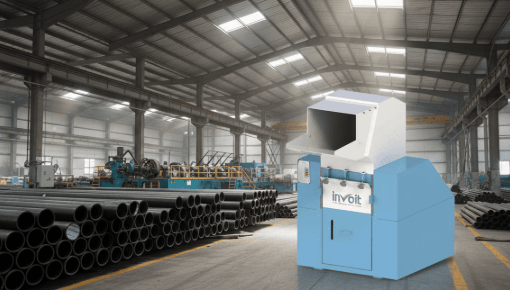
Plastic processing companies face growing pressure to use raw materials efficiently, control production costs, and manage manufacturing waste responsibly. In many facilities, plastic scrap and rejected components can be recovered for reuse if they are processed into a suitable form. Grinding equipment helps manufacturers reduce the size of plastic materials so they can be prepared for recycling or incorporated into appropriate downstream operations.
However, not every grinding machine is suitable for every material or production environment. Equipment selection depends on the type of plastic, required particle size, processing volume, operating conditions, and the characteristics of the final application.
By understanding these factors before purchasing machinery, businesses can improve production planning, compare equipment options more effectively, and reduce avoidable operating problems.
The Role of Plastic Grinding in Manufacturing
Plastic grinding is a mechanical process that reduces plastic materials into smaller particles. It can be used to process production offcuts, rejected components, runners, sprues, and other suitable forms of plastic waste.
The resulting material may be reused in selected manufacturing processes, provided it meets the relevant requirements for cleanliness, composition, and particle size. The appropriate process depends on the type of plastic and the intended application.
Recovering Manufacturing Scrap
Manufacturing operations often generate scrap even when production processes are carefully controlled. Rather than treating all suitable scrap as waste, businesses may process it for potential reuse.
Grinding can help convert larger pieces into material that is easier to handle, store, blend, or process further. The practical value of recovery depends on factors such as contamination, material separation, processing costs, and the requirements of the finished product.
A recycling plan should therefore consider the complete material flow rather than viewing grinding as an isolated activity.
Supporting Consistent Material Preparation
The size and consistency of ground plastic can influence how effectively it moves through subsequent processing stages. Material that is too large or irregular may require additional reduction, while excessive fines may be undesirable for certain applications.
Grinding equipment should be selected according to the required output specification. Buyers should confirm how the manufacturer defines particle size and what conditions are necessary to achieve the stated results.
Understanding Different Grinding Technologies
Plastic processing equipment is available in several configurations. The best option depends on the size and condition of the incoming material, the required output, and the production environment.
Granulators for Plastic Scrap
Granulators are commonly used to reduce plastic components into smaller chips or granules. They can be useful for processing moulded parts, runners, and certain types of production scrap.
Performance depends on blade design, screen configuration, feed characteristics, and maintenance. Buyers should consider whether the machine can handle the actual dimensions and material properties of their scrap.
Pulverizers for Fine Particle Production
Pulverizers are designed for applications requiring finer particles or powder. They may be used in particular recycling, compounding, and material preparation processes.
These systems can have different requirements from conventional granulators, including specific feeding arrangements, grinding configurations, and cooling considerations. A pulverizer should be chosen when the required output justifies its capabilities and operating costs.
Multi-Stage Processing Systems
Some facilities benefit from using more than one size-reduction process. For example, bulky plastic may first be shredded or granulated before being sent to a finer grinding stage.
A multi-stage line can help match each machine to a specific task. However, additional equipment increases investment, maintenance, and space requirements, so the overall design should be evaluated carefully.
Key Factors When Selecting Grinding Equipment
A suitable machine should meet the facility’s technical requirements while remaining practical to operate and maintain.
Material Compatibility
Different plastics behave differently during grinding. Their hardness, toughness, melting characteristics, and tendency to soften under friction can influence machine performance.
Materials such as polyethylene, polypropylene, polystyrene, and engineering plastics may require different equipment settings or configurations. Filled, reinforced, or mixed plastic materials may introduce additional challenges.
Before requesting quotations, buyers should identify the plastic grades, incoming material dimensions, and any additives or contaminants likely to be present.
Required Output Size
The target particle size is one of the most important purchasing specifications. Some processes can accept coarse granules, while others require finer and more uniform particles.
Buyers should clarify the expected particle-size distribution and whether screening, classification, or further processing will be necessary. Where output specifications are critical, representative material testing may provide useful evidence of suitability.
Throughput and Production Demand
Rated capacity is not always the same as actual production output. Material properties, feed size, target particle size, machine configuration, and operating practices can all affect throughput.
Facilities should estimate their normal and peak processing volumes, then discuss realistic capacity expectations with potential suppliers. Selecting equipment based on actual operating conditions helps avoid capacity shortfalls or unnecessary overspending.
Energy Use and Maintenance
Grinding equipment consumes energy and relies on components that may require periodic inspection or replacement. Blades, grinding elements, screens, bearings, and drive components can contribute to maintenance costs.
When evaluating a machine, buyers should request information about power requirements, routine servicing, wear-part availability, and recommended inspection intervals. These details help build a more realistic estimate of long-term ownership costs.
Evaluating Machinery Suppliers
Supplier evaluation should focus on technical suitability, product information, service arrangements, and the ability to deliver equipment according to agreed requirements.
Businesses comparing plastic grinding machine suppliers should prepare a consistent list of technical and commercial questions before requesting quotations.
Review Technical Documentation
Ask for specifications covering machine dimensions, motor power, feed requirements, output range, safety features, and available configurations. Confirm that the proposed model is suitable for the plastic materials being processed.
If the machine requires specific electrical connections, cooling systems, ventilation, or auxiliary equipment, those requirements should be identified early.
Assess Manufacturing Quality
Machine construction influences stability, service life, and maintenance access. Relevant considerations may include frame strength, grinding components, bearing arrangements, guarding, and the accessibility of parts that need regular servicing.
Where practical, buyers can request demonstrations, sample processing results, or references from comparable applications. Any performance claims should be assessed in relation to the material and operating conditions involved.
Confirm After-Sales Support
Industrial grinding equipment may need installation assistance, operator training, troubleshooting, and replacement components. Buyers should establish what support is available and whether it can be accessed within a reasonable timeframe.
For imported equipment, shipping times and spare-parts logistics deserve particular attention. A machine that is difficult to service can create prolonged downtime even if its initial price is attractive.
Compare Quotations on Equal Terms
Supplier quotations may differ in included accessories, control systems, warranties, delivery terms, and installation services. Comparing headline prices alone can therefore produce misleading results.
Use the same technical specification for each quotation and record any differences clearly. This makes it easier to identify which offer provides the best overall fit for the facility.
Integrating Grinding Equipment Into a Production Line
The performance of a grinding machine depends partly on how it interacts with the rest of the processing operation.
Prepare Incoming Materials
Sorting and separating plastics before grinding can reduce contamination and improve the usefulness of the recovered material. Depending on the waste stream, additional cleaning or drying may also be required.
Material preparation should reflect the condition of the incoming scrap. Clean factory offcuts may need less preparation than mixed post-consumer plastics.
Maintain Consistent Feeding
Feeding material at an appropriate rate helps prevent unnecessary strain and supports stable operation. Excessive feeding can reduce performance or cause blockages, while inconsistent feeding may leave the machine underused.
The feeding system should match the material’s dimensions and flow characteristics. Operators should follow the manufacturer’s instructions and avoid practices that exceed the machine’s specified operating limits.
Plan for Collection and Further Processing
Ground plastic must be collected and transferred safely to the next stage. Depending on the application, downstream processes may include screening, blending, compounding, or additional size reduction.
Conveyors, storage containers, and collection systems should be designed around expected material flow. Good coordination between equipment stages can reduce handling requirements and help prevent production bottlenecks.
Safety and Environmental Management
Grinding machines contain moving components and may generate noise, heat, and airborne particles. These risks should be considered during equipment selection, installation, and routine operation.
Review Machine Safety Features
Buyers should examine guarding, emergency stops, electrical protection, access points, and maintenance provisions. Operators need appropriate training in safe operation and shutdown procedures.
Before servicing or clearing a blockage, staff should follow the required isolation procedures. Maintenance must be performed by appropriately trained personnel according to the manufacturer’s instructions and site safety rules.
Control Dust and Noise
Fine plastic particles may become airborne during grinding. Depending on the material and system design, suitable extraction, ventilation, containment, and housekeeping practices may be necessary.
Noise levels should also be assessed, especially where machinery operates for extended periods. Facilities should follow applicable occupational health and safety requirements.
Manage Recovered Material Responsibly
Grinding does not automatically make every plastic waste stream suitable for reuse. Material composition, contamination, degradation, and downstream requirements must be assessed before recycled material is returned to production.
Clear material identification and storage procedures help prevent incompatible plastics from being mixed. Responsible handling can improve recovery rates and reduce the amount of material that must be discarded.
See also: AI Tools Every Business Should Use
Frequently Asked Questions
1. What should businesses consider before buying a plastic grinding machine?
Businesses should evaluate material compatibility, required particle size, processing capacity, energy consumption, maintenance requirements, safety features, and supplier support. The equipment should be matched to the actual production process.
2. How can manufacturers improve grinding efficiency?
Efficiency can be improved through appropriate material preparation, consistent feeding, regular maintenance, correct machine configuration, and suitable downstream handling. Monitoring throughput and energy use can also reveal opportunities for improvement.
3. Why is after-sales support important when purchasing grinding equipment?
Support can help with installation, training, troubleshooting, and obtaining replacement parts. Reliable service arrangements can reduce downtime and make long-term equipment ownership more predictable.
Conclusion
Choosing industrial plastic grinding equipment requires a clear understanding of the material being processed, the desired output, and the operating demands of the facility. Equipment capacity, energy use, maintenance, safety, and supplier support should all be considered before a purchasing decision is made.
By comparing suppliers against consistent specifications and planning the complete processing line, manufacturers can make better use of suitable plastic scrap and improve material-handling efficiency. A well-planned system can support reliable production while helping businesses manage waste and operating costs more effectively.