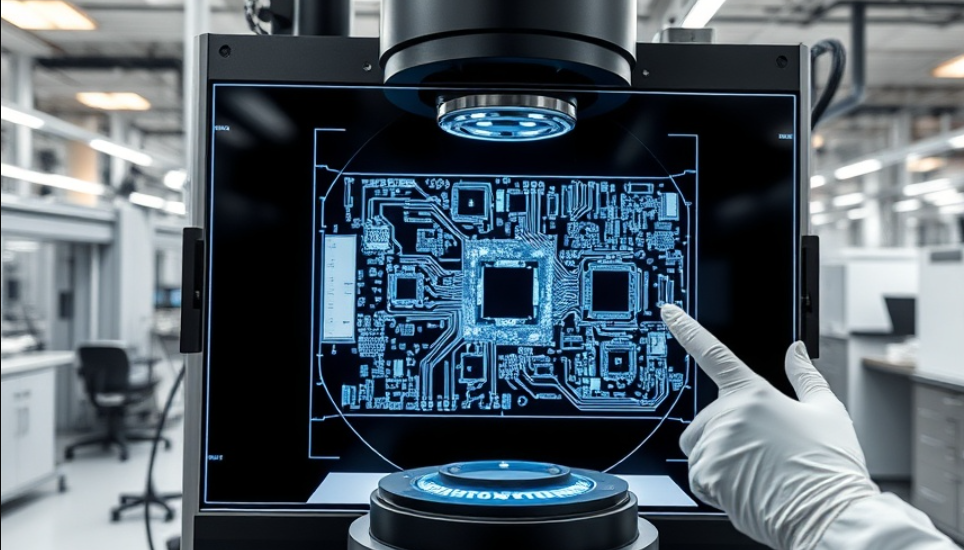
Reliable X-ray inspection depends on several factors, including imaging technology, system design, and electrical performance. One of the most important elements influencing inspection quality is the X-ray tube voltage, which directly affects image clarity, consistency, and defect detection accuracy.
In industrial environments where precision is essential, maintaining consistent voltage levels helps ensure repeatable imaging results. Voltage instability can lead to image distortion, reduced clarity, and unreliable defect detection, making stable power management a key requirement for modern X-ray systems.
Importance of Stable Electrical Performance
Voltage stability forms the foundation of a dependable X-ray inspection process. When electrical output remains consistent, the X-ray tube can generate radiation at predictable levels, allowing imaging systems to produce clear and accurate results.
A stable electrical environment also reduces operational risks associated with fluctuating power conditions. This helps maintain imaging consistency across long inspection cycles and supports efficient quality control procedures.
See also: AI Voice Cloning: Opportunities and Risks
Impact on Imaging Quality
Image quality is directly connected to the consistency of electrical power supplied to the X-ray tube. Even small voltage variations can affect contrast, brightness, and image sharpness, making accurate analysis more challenging.
Maintaining proper X-ray tube voltage ensures that the imaging system captures detailed internal structures without unnecessary variations. This consistency improves confidence in inspection outcomes and supports reliable decision-making.
Key Factors Supporting Voltage Stability
Several engineering elements help maintain stable voltage in industrial X-ray systems. These components work together to ensure reliable performance under different operating conditions.
1. Advanced Power Regulation
Modern power regulation technologies continuously monitor electrical conditions and make adjustments when necessary. This helps prevent sudden fluctuations that could affect imaging quality.
2. Precision Control Systems
Precision control mechanisms allow X-ray systems to maintain consistent operating parameters. By accurately managing voltage, these systems help improve repeatability and inspection reliability.
3. High-Quality Power Components
The quality of internal electrical components plays a major role in system stability. Durable and well-designed components reduce performance variations and support long-term operation.
4. Environmental Protection Measures
Industrial facilities often experience electrical interference from surrounding equipment. Protective measures help isolate X-ray systems from these disturbances and maintain stable performance.
5. Reliable Power Infrastructure
Many manufacturers rely on a trusted power infrastructure to ensure consistent energy delivery in industrial imaging systems, as a dependable power source helps maintain system stability and supports reliable inspection results across applications where precision is critical. To further strengthen this stability, high-voltage power supplier solutions play a crucial role in maintaining controlled energy output and consistent system performance in demanding inspection environments.
Benefits for Industrial Inspection Applications
Voltage stability offers significant advantages for industries that depend on X-ray technology for quality assurance and defect detection.
Consistent electrical performance allows inspection systems to operate efficiently while maintaining high imaging standards. This is particularly important in sectors where accuracy directly affects product quality and safety.
Stable power conditions also contribute to greater productivity. By minimizing performance fluctuations, organizations can achieve more reliable inspection workflows and reduce unnecessary downtime.
Operational Advantages of Stable Voltage
Stable voltage contributes to both short-term performance improvements and long-term operational benefits.
- Improved Image Consistency
Stable voltage helps maintain uniform image quality across multiple inspections, making comparisons and evaluations more reliable. - Enhanced Defect Detection Accuracy
Consistent electrical output improves image clarity, allowing inspectors to identify defects that may otherwise be difficult to detect. - Reduced Equipment Stress
Voltage fluctuations can place additional strain on sensitive components. Stable operation helps reduce wear and extend equipment life. - Greater Process Efficiency
Reliable imaging results minimize the need for repeat inspections, improving productivity and supporting efficient workflows.
Role in Modern Industrial Systems
Industrial X-ray technology continues to evolve as manufacturers seek higher levels of precision and efficiency. Voltage stability remains a central element in achieving these objectives.
Advanced systems are increasingly designed with sophisticated monitoring capabilities that help maintain optimal electrical conditions. These features improve reliability while reducing the risk of performance disruptions.
Organizations that prioritize stable power management often experience better inspection consistency and improved operational outcomes. This makes voltage control a valuable investment for long-term performance.
Technological Developments Supporting Reliability
Ongoing innovation has introduced new technologies that strengthen voltage stability and improve X-ray inspection capabilities.
1. Digital Monitoring Solutions
Digital monitoring systems provide real-time visibility into electrical performance. This allows operators to identify and address potential issues before they affect imaging quality.
2. Intelligent Feedback Mechanisms
Advanced feedback systems automatically adjust operating conditions to maintain stable voltage levels. These capabilities improve consistency and reduce manual intervention.
3. Enhanced Thermal Management
Temperature control systems help maintain stable operating conditions for electrical components. Effective thermal management contributes to improved reliability and system longevity.
4. Improved Energy Efficiency
Modern power technologies are designed to optimize energy usage while maintaining stable performance. This supports sustainability goals and reduces operational costs.
5. Compact System Integration
Advancements in engineering have enabled the integration of sophisticated voltage control technologies into compact system designs. These solutions deliver high performance without increasing system complexity.
Future Outlook for Voltage Stability
As industrial inspection requirements become more demanding, the importance of voltage stability will continue to grow. Manufacturers are expected to invest further in advanced control systems and intelligent power management technologies.
Future developments will likely focus on improving automation, enhancing monitoring capabilities, and increasing system efficiency. These advancements will help organizations achieve even greater levels of inspection accuracy and reliability.
Stable voltage will remain a critical factor in ensuring consistent imaging performance across evolving industrial applications. As X-ray technology advances, the ability to maintain precise electrical control will continue to influence inspection quality and operational success.
Conclusion
Voltage stability plays a fundamental role in ensuring reliable X-ray inspection by supporting consistent image quality, accurate defect detection, and dependable system performance. Organizations that prioritize stable power management can achieve greater efficiency, improved reliability, and stronger quality assurance outcomes.
As the industry continues to advance, innovative companies such as VJ X-Ray are helping drive progress through advanced imaging technologies and dependable power solutions. When paired with a trusted high-voltage power supplier, modern X-ray systems can deliver the stability and precision required to meet the growing demands of industrial inspection applications.