As we age, everyday activities that once seemed effortless can become more challenging. The bathroom is one of the most hazardous areas in any home, with wet floors, slippery surfaces, and awkward movements increasing the risk of falls and injuries. This is why bathroom conversions for elderly homeowners have become an essential home improvement solution rather than just a luxury.
A well-designed bathroom conversion focuses on safety, accessibility, and comfort while maintaining an attractive appearance. Modern accessible bathrooms no longer resemble clinical environments. Instead, they combine stylish design with practical features that allow older adults to maintain their independence for as long as possible.
Whether you’re planning a bathroom conversion for yourself, a parent, or another loved one, understanding the available options can help you make informed decisions. This guide explores everything you need to know about bathroom conversions for elderly users, from safety features to long-term benefits.
Why Bathroom Conversions for Elderly People Are Important
Growing older often brings changes in mobility, balance, flexibility, and strength. Simple bathroom tasks such as stepping into a bathtub, bending down, or standing for extended periods may become increasingly difficult. These challenges can significantly increase the likelihood of slips and falls.
Bathroom conversions for elderly individuals are designed to reduce these risks while making daily routines easier and more comfortable. By replacing outdated fixtures with accessible alternatives, homeowners can enjoy greater confidence and independence within their own homes. Professional bathroom conversions also allow family members to feel reassured that their loved ones have a safer living environment.
In addition to improving safety, accessible bathrooms can enhance the overall quality of life by reducing physical strain and supporting independent living for many years.
Common Challenges Older Adults Face in Traditional Bathrooms
Many older homes were not built with accessibility in mind. Traditional bathroom layouts often contain several obstacles that become problematic as mobility changes over time.
Some of the most common challenges include stepping over high bathtub edges, navigating slippery floors, reaching difficult storage areas, and using standard-height toilets that require additional effort to sit down or stand up. Poor lighting, narrow doorways, and limited maneuvering space can further complicate daily bathroom use.
Bathroom conversions for elderly users address these issues by creating a space that prioritizes accessibility without sacrificing style. Every feature is carefully selected to reduce hazards and improve ease of use.
Key Features Included in Bathroom Conversions for Elderly
Every bathroom conversion is unique because each person’s needs are different. However, several accessibility features are commonly included to create a safer environment.
Walk-In Showers
Walk-in showers are among the most popular features in bathroom conversions for elderly homeowners. Unlike traditional bathtubs, walk-in showers eliminate the need to climb over high sides, making entry and exit significantly safer.
These showers often include low or level thresholds, anti-slip flooring, grab rails, and built-in seating. Adjustable handheld showerheads also improve convenience by allowing users to shower while seated if necessary. The open design creates a spacious feel while reducing tripping hazards.
Walk-In Baths
Some individuals prefer relaxing baths but struggle with conventional tubs. Walk-in baths provide a practical solution by incorporating a watertight door that allows users to enter without stepping over high edges.
Many walk-in baths also include built-in seating, hydrotherapy jets, temperature controls, and easy-access handrails. These features provide a safer bathing experience while offering therapeutic benefits for arthritis, joint pain, and muscle stiffness.
Walk-in baths are particularly suitable for elderly individuals who wish to maintain their regular bathing routine while reducing safety risks.
Raised Height Toilets
Standard toilets can become uncomfortable for people with reduced mobility. Raised-height toilets require less bending, making sitting down and standing up much easier.
Bathroom conversions for elderly individuals frequently include comfort-height toilets that reduce pressure on the knees and hips. Additional support rails may also be installed nearby to provide extra stability.
These simple modifications can greatly improve daily comfort while supporting independent bathroom use.
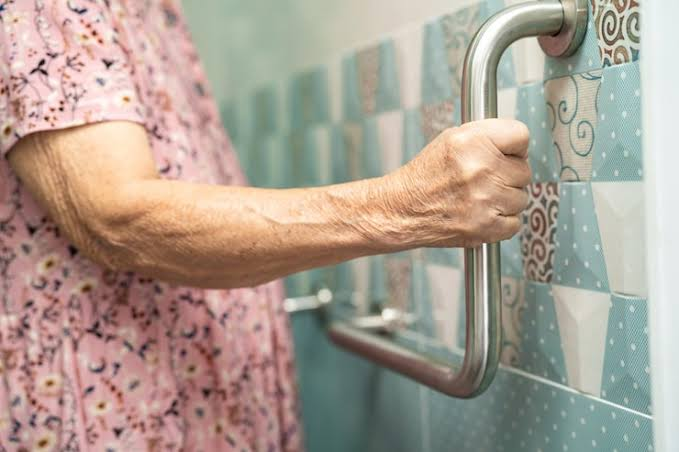
Grab Rails and Support Handles
Grab rails play an essential role in improving bathroom safety. Properly positioned support handles provide stability when entering the shower, using the toilet, or moving around the room.
Modern grab rails are available in various finishes and designs that complement contemporary bathrooms rather than appearing institutional. Professional installation ensures they are securely fixed to provide reliable support whenever needed.
When strategically placed, grab rails can significantly reduce the likelihood of slips and falls.
Choosing the Right Flooring for Elderly Bathrooms
Flooring is one of the most critical aspects of any accessible bathroom conversion. Wet floors are responsible for many household accidents, making slip-resistant surfaces an essential consideration.
Textured vinyl, specialist anti-slip tiles, and waterproof safety flooring all provide improved grip without compromising appearance. These materials are designed to maintain traction even when wet while remaining easy to clean and maintain.
Many bathroom conversions for elderly homeowners also include level-access flooring to eliminate raised thresholds that may create tripping hazards or restrict wheelchair access.
Selecting the right flooring helps create a safer environment while contributing to the overall design of the bathroom.
Improving Accessibility Through Better Bathroom Layouts
An effective bathroom conversion involves more than simply replacing fixtures. The overall layout should allow easy movement and provide sufficient space for mobility aids if required.
Professional designers often reposition sinks, toilets, and showers to create wider pathways and improve accessibility. Wall-mounted basins provide additional legroom, while sliding doors may be installed where space is limited.
A carefully planned layout ensures that every essential feature remains within comfortable reach, reducing unnecessary stretching, twisting, or bending.
Bathroom conversions for elderly individuals should always consider both current and potential future mobility needs.
The Importance of Proper Lighting
Good lighting plays a significant role in preventing accidents. Poor visibility can make it difficult to identify wet areas, uneven flooring, or obstacles within the bathroom.
Modern bathroom conversions often include brighter LED lighting, illuminated mirrors, and motion-sensor lights that activate automatically when someone enters the room. These features improve visibility while reducing the need to search for switches during the night.
Natural lighting should also be maximized wherever possible to create a welcoming and comfortable atmosphere.
Proper illumination not only enhances safety but also contributes to a more pleasant daily experience.
Planning Bathroom Conversions for Future Needs
One of the biggest advantages of accessible bathroom design is future-proofing the home. Even if mobility is only mildly affected today, planning for future requirements can prevent costly renovations later.
Bathroom conversions for elderly homeowners often incorporate adaptable features that remain useful as needs evolve. Reinforced walls can accommodate additional grab rails in the future, while level-access showers allow easier wheelchair access if required.
Forward-thinking design ensures that the bathroom continues meeting changing mobility requirements without requiring extensive alterations.
Planning ahead also provides peace of mind for both homeowners and their families.
Professional Installation Makes a Difference
Although some minor bathroom improvements can be completed independently, full bathroom conversions should always be carried out by experienced professionals.
Qualified installers understand accessibility standards, waterproofing requirements, plumbing regulations, and safe installation techniques. They can also recommend the most suitable products based on individual mobility needs and available space.
Professional installation ensures that grab rails are securely fixed, flooring is correctly fitted, drainage functions efficiently, and every safety feature performs as intended.
Choosing experienced specialists helps maximize the long-term value and reliability of the finished bathroom.
Benefits of Bathroom Conversions for Elderly Homeowners
Accessible bathroom renovations provide numerous advantages beyond improved safety. They support independence, increase confidence, and create a more enjoyable daily routine.
Older adults often feel more comfortable living in familiar surroundings rather than relocating to assisted living facilities. Bathroom conversions make aging in place more practical by reducing physical barriers within the home.
These improvements may also increase property appeal among buyers seeking accessible housing, making them a worthwhile long-term investment.
Perhaps most importantly, an accessible bathroom allows individuals to maintain dignity and independence while carrying out everyday personal care routines safely.
How to Choose the Right Bathroom Conversion Company
Selecting the right contractor is just as important as choosing the right bathroom features. Homeowners should look for companies with extensive experience in accessible bathroom design and installation.
Reading customer reviews, viewing completed projects, and requesting detailed quotations can help identify reliable professionals. Experienced contractors will conduct a thorough assessment of the property, discuss individual mobility needs, and recommend practical solutions rather than offering one-size-fits-all designs.
Clear communication, transparent pricing, and quality workmanship are all essential factors when choosing a bathroom conversion specialist.
Working with knowledgeable professionals helps ensure that every aspect of the project meets both safety standards and personal preferences.
Conclusion
Bathroom conversions for elderly homeowners provide a practical way to improve safety, comfort, and independence while enhancing the overall functionality of the home. By incorporating features such as walk-in showers, walk-in baths, raised-height toilets, grab rails, non-slip flooring, and improved lighting, these renovations create a bathroom that is easier and safer to use every day.
Every person’s needs are unique, so a carefully planned bathroom conversion should always consider current mobility requirements as well as future accessibility needs. Investing in a professionally designed accessible bathroom not only reduces the risk of accidents but also supports long-term independent living and peace of mind for both homeowners and their families.
With thoughtful planning and expert installation, bathroom conversions for elderly individuals can transform one of the home’s most challenging spaces into a safe, comfortable, and stylish environment that promotes confidence and quality of life for years to come.