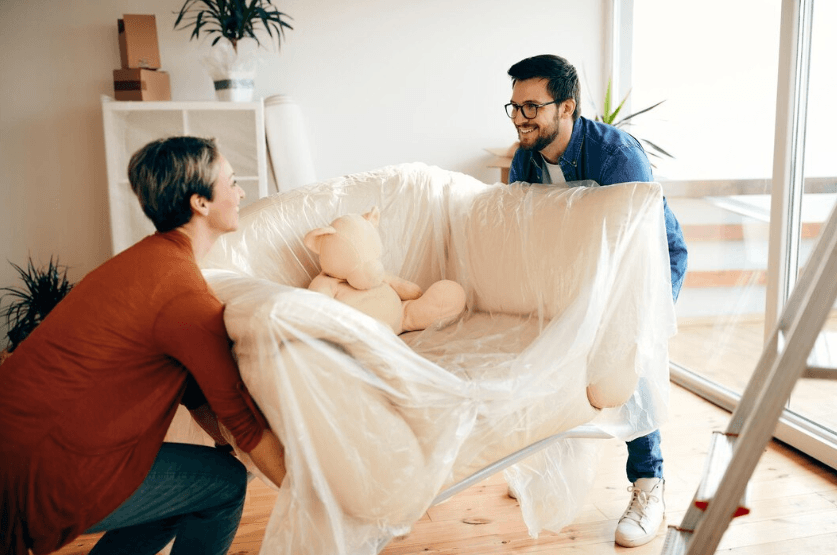
Moving house can be a major life event, especially for families managing children, changing routines, and an increasing amount of belongings. Whether relocating to a larger home or downsizing temporarily, planning ahead makes the process smoother and less stressful. Many families rely on Ballarat removals and storage solutions to help organise furniture, seasonal items, and household goods during a move.
Growing families often face challenges that go beyond packing boxes. There are school schedules, toys scattered across rooms, fragile items, and the need to keep children comfortable throughout the transition. With the right moving and storage approach, families can stay organised and reduce unnecessary pressure during relocation.
Understanding the Challenges Growing Families Face During a Move
Families tend to accumulate more possessions over time. From baby equipment and prams to bikes, sports gear, and extra furniture, moving becomes more complex with each stage of family life.
Common moving challenges include:
- Managing children’s routines during packing
- Finding safe storage for excess belongings
- Keeping essential household items accessible
- Avoiding damage to sentimental or fragile items
- Coordinating school schedules and moving dates
Without proper preparation, these factors can quickly make a move feel overwhelming.
Start Planning Earlier Than You Think
One of the most helpful moving tips for families is to begin preparations early. Waiting until the last week often creates unnecessary stress, particularly when children are involved.
A moving timeline helps families stay organised and divide tasks into manageable steps.
Four to Six Weeks Before Moving
At this stage, families should:
- Declutter bedrooms and living areas
- Donate unused toys, clothes, and furniture
- Arrange storage if the new home is not ready
- Begin collecting packing materials
- Notify schools and service providers about the move
Starting early also gives parents time to involve children in the process without rushing.
Two Weeks Before Moving
This is the time to:
- Pack non-essential items
- Label boxes by room and priority
- Create a moving essentials kit
- Confirm moving arrangements
- Prepare children for moving day routines
Families with young children benefit from maintaining familiar routines during this period to reduce anxiety.
Decluttering Makes Moving Easier
Growing families often hold onto items “just in case,” but moving presents an excellent opportunity to reduce clutter. Transporting unnecessary belongings increases costs, takes up valuable storage space, and adds extra work during unpacking.
Focus on High-Clutter Areas
Certain areas usually collect the most unused items:
- Toy rooms
- Wardrobes
- Garages
- Linen cupboards
- Kitchen drawers
Sorting belongings into keep, donate, recycle, and discard piles helps simplify the moving process.
Avoid Overpacking the New Home
Families moving into larger homes sometimes assume they have unlimited space. However, unnecessary items can quickly create clutter again. A cleaner start makes the new home feel more organised from day one.
See also: AI Tools Every Business Should Use
Choosing the Right Storage Option
Storage can be extremely useful during family relocations. Whether waiting for settlement dates, renovating, or downsizing temporarily, having secure storage creates flexibility.
Short-Term Storage
Short-term storage works well when:
- Moving dates do not align perfectly
- Families are staying in temporary accommodation
- Renovations delay move-in schedules
- There is a need to clear space before selling a property
This option helps reduce crowding and keeps important areas accessible.
Long-Term Storage
Long-term storage may suit families storing:
- Seasonal items
- Baby furniture for future use
- Sports equipment
- Sentimental belongings
- Extra household furniture
Choosing climate-protected and secure storage facilities helps protect items from dust, moisture, and damage.
Packing Strategies for Families
Packing an entire family home requires more than simply filling boxes. Organisation is essential for maintaining order during the move. You can also leverage professionals from CBD Movers for packing needs.
Pack Room by Room
Packing one room at a time prevents confusion and helps families stay focused.
Start with:
- Spare rooms
- Seasonal items
- Decorative pieces
- Rarely used kitchen equipment
Leave everyday essentials until the final days before moving.
Use Clear Labels
Labels save significant time during unpacking. Families should include:
- Room destination
- Fragile warnings
- Priority level
- Basic contents
Colour coding boxes can also help children identify their belongings easily.
Create a Family Essentials Box
An essentials box prevents families from searching through multiple cartons on the first night in a new home.
Important items may include:
- Medications
- Chargers
- Toiletries
- Children’s favourite toys
- Snacks
- Basic kitchen supplies
- School items
- Spare clothing
Keeping these essentials easily accessible reduces stress during the first 24 hours after moving.
Helping Children Adjust to the Move
Moving can be emotional for children, especially when changing schools, neighbourhoods, or routines. Open communication helps them feel included and secure.
Involve Children in the Process
Giving children simple responsibilities can help them feel more positive about the move.
Examples include:
- Packing their own toys
- Choosing room decorations
- Labelling boxes
- Creating a checklist
Even small tasks provide a sense of control during a major life change.
Maintain Familiar Routines
As much as possible, families should keep regular meal times, bedtime routines, and school activities consistent. Familiar structure helps children adjust more comfortably during the transition.
Protecting Fragile and Valuable Items
Family homes often contain sentimental belongings such as photo albums, heirlooms, and children’s keepsakes. Proper packing techniques reduce the risk of damage.
Use Quality Packing Materials
Strong materials provide better protection during transport and storage.
Useful supplies include:
- Bubble wrap
- Packing paper
- Heavy-duty boxes
- Furniture covers
- Mattress protectors
Cheap boxes may collapse under weight, increasing the risk of broken items.
Avoid Overloading Boxes
Heavy boxes are difficult to lift safely and more likely to break. Families should distribute weight evenly and avoid packing books or kitchenware into oversized cartons.
Storage Tips for Family Furniture
Large furniture pieces often require extra planning during relocation.
Disassemble Furniture Where Possible
Taking apart furniture helps:
- Save moving space
- Reduce damage risks
- Make transport safer
- Simplify moving through narrow hallways
Keep screws, bolts, and small parts in labelled bags attached to each item.
Protect Upholstery and Timber
Furniture covers help shield surfaces from scratches, dirt, and moisture during storage or transport.
Families should avoid placing heavy items on couches or mattresses while in storage to prevent long-term damage.
Managing Moving Day Efficiently
Moving day can become chaotic for families without a clear plan.
Arrange Childcare if Possible
Young children may become stressed around heavy lifting and constant activity. Having relatives or friends supervise them can make the day safer and more manageable.
Keep Pathways Clear
Clear hallways and entrances reduce accidents while movers carry furniture and boxes. Families should also keep pets secured during loading and unloading.
Settling Into the New Home
Unpacking strategically helps families adjust faster after relocation.
Start With Essential Rooms
Focus first on:
- Children’s bedrooms
- Bathrooms
- Kitchen essentials
- Laundry areas
Setting up familiar spaces quickly helps children feel comfortable in the new environment.
Unpack Gradually
Trying to unpack every box immediately can feel exhausting. Families should prioritise functionality first before organising decorative items or storage spaces.
Organising Storage for Long-Term Convenience
Families using long-term storage benefit from organised systems that make items easy to access later.
Create an Inventory List
An inventory helps track stored belongings and avoids unnecessary searching.
Include details such as:
- Box numbers
- Item categories
- Storage locations
- Fragile items
Digital spreadsheets or mobile apps can make this process easier.
Store Items by Frequency of Use
Place frequently accessed items near the front of the storage unit while long-term items remain at the back.
This simple strategy saves time and reduces unnecessary lifting.
Avoiding Common Family Moving Mistakes
Many families underestimate the time and effort required for relocation. Avoiding common mistakes can make the experience far smoother.
Leaving Packing Until the Last Minute
Rushed packing often leads to:
- Lost belongings
- Damaged items
- Poor organisation
- Increased stress
Early preparation provides better control throughout the move.
Ignoring Storage Needs
Families sometimes assume everything will fit comfortably into the new home immediately. Temporary storage can provide valuable breathing room while unpacking and organising.
Forgetting Children’s Needs
Children may struggle emotionally during relocation if they feel excluded or overwhelmed. Maintaining communication and routines helps ease the adjustment.
Benefits of a Well-Organised Family Move
A carefully planned move offers several long-term benefits for growing families.
These include:
- Reduced stress levels
- Better household organisation
- Safer handling of belongings
- Easier unpacking
- Smoother transitions for children
Moving may still involve challenges, but preparation creates a more positive experience overall.
Conclusion
Moving with a growing family requires careful organisation, patience, and practical planning. From decluttering and packing to managing storage and helping children adjust, every step contributes to a smoother transition. Families who prepare early and use effective storage strategies often find the moving process far less stressful and more manageable.
With thoughtful preparation, moving into a new home can become an opportunity to create a more organised, functional, and comfortable living environment for the entire family.