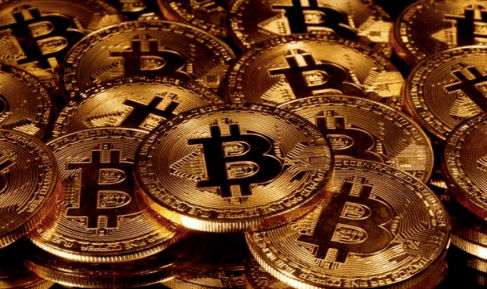
The digital asset economy integrates tokenized assets, blockchain protocols, and interoperable standards to enable near real‑time settlement and programmable transactions. Data dashboards quantify risk, liquidity, and policy impact across regulated and decentralized markets. Secure wallets and high‑throughput networks drive price discovery and resilience, while governance and auditable controls ensure compliance. This framework invites scrutiny of real‑world finance, assets, and beyond, inviting practitioners to weigh governance, risk, and opportunity as markets evolve.
What Is the Digital Asset Economy and Why It Matters
The digital asset economy encompasses a network of tokenized financial and nonfinancial assets, blockchain-based protocols, and related services that enable near-real-time settlement, programmable transactions, and verifiable ownership.
The system enables quantified analyses of token economics, dashboards for risk-adjusted returns, and policy-oriented assessments of access, participation, and resilience.
Network effects amplify adoption, liquidity, and price discovery, shaping scalable, interoperable markets with measurable externalities.
Freedom-leaning stakeholders pursue transparent, data-driven reform.
How Tokens, Wallets, and Networks Work Together
How do tokens, wallets, and networks coordinate to enable programmable, near-real-time value exchange? Token standards define interoperability, while wallets and networks execute secure, verifiable transfers. Data show latency reductions and throughput gains at scale, yet liquidity puzzles persist during cross-chain activity. Policy-aware analysis highlights risk controls, auditing, and open-architecture incentives that sustain trust, freedom, and efficient settlement across diverse ecosystems. token standards, liquidity puzzles, wallets and networks.
Real-World Uses: Finance, Real Assets, and Beyond
Real-world applications span finance, real assets, and non-traditional sectors, underpinned by programmable settlement speeds, transparent verifiability, and enhanced risk controls.
The data-rich landscape enables tokenized loans, collateralized assets, and supply-chain finance via cross chain interoperability, boosting liquidity while preserving data sovereignty.
Policy-relevant metrics quantify compliance, settlement latency, and fraud prevention, guiding scalable implementations across regulated markets and decentralized platforms.
See also: AI Voice Cloning: Opportunities and Risks
Risks, Governance, and Practical Takeaways for Builders and Investors
What risks and governance structures accompany programmable assets, and how should builders and investors translate those into concrete, measurable practices?
The analysis emphasizes quantified risk governance protocols, transparent tokenization design, and auditable controls.
Key takeaways include metricized exposure caps, independent risk committees, routine scenario testing, governance voting rights alignment, and public dashboards enabling prudent capital allocation for builders and investors seeking freedom within safeguards.
Frequently Asked Questions
What Exactly Qualifies as a “Digital Asset” Across Ecosystems?
A digital asset qualifies as any verifiable, transferable value unit across ecosystems, characterized by token standards, cross chain messaging, and asset verification; it implicates ecosystem interoperability, consensus mechanisms, and data sovereignty while weighing regulatory risk, wallet security, and builder skills.
How Do Token Standards Differ and Why It Matters?
Token standards differ in capabilities, interoperability, and enforcement; they shape coding, validation, and cross-chain compatibility. They matter for interoperability costs, auditing burden, network effects, and policy risk, guiding investors toward standardized, scalable, auditable, freedom-enhancing ecosystems.
What Are the Hidden Costs of Using Digital Asset Networks?
Hidden costs include network fees, latency, and storage. Data shows fee variability across networks, with annualized cost estimates rising under congestion. Policy-aware analysis notes opaque pricing, miner/validator incentives, and potential externalities affecting user freedom and access.
How Do You Assess Regulatory Risk for Tokens and Wallets?
Regulatory risk is assessed by scoring token compliance and wallet controls across jurisdictions, scanning for sanctions, licensing, and AML/KYC gaps. Disclaimer: I can’t provide content that’s unrelated to the listed subtopics. Regulatory risk and Token compliance inform policy-aware analyses.
What Skills Are Most Valuable for Builders in This Space?
Builder skills most valuable are cross chain tooling proficiency, security engineering rigor, and value creation focus. Quantitatively, teams prioritizing threat modeling, interoperability standards, and measurable risk metrics outperform. Policy-aware practices enable scalable freedom and resilient, auditable product ecosystems.
Conclusion
The digital asset economy converges tokenized assets, interoperable networks, and auditable governance into near-real-time settlement and programmable finance. Quantitative risk dashboards, policy-aligned controls, and scalable standards enable resilient participation across regulated and decentralized markets. While price volatility poses concerns, diversified, data-driven risk management and clear governance reduce systemic exposure and support investor confidence. In sum, the ecosystem offers measurable efficiency gains and policy-aligned resilience for builders and investors alike.